Feed-in Tariffs Are Collapsing in Victoria: Why Every Solar Home Needs a Battery
Victorian solar feed-in tariffs have plummeted from 60c/kWh to under 5c/kWh. Without a battery, your solar panels are leaving money on the table.
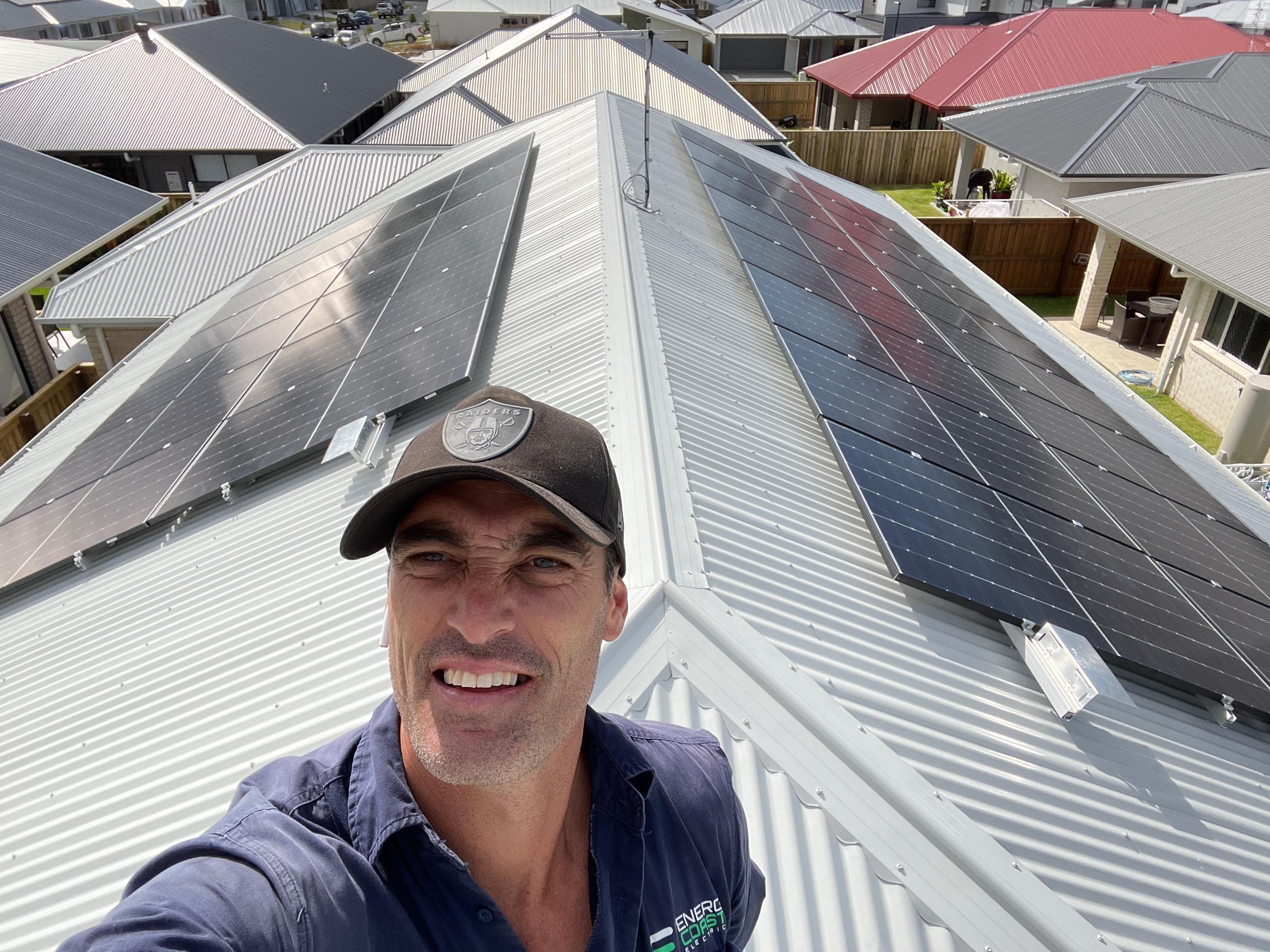
Key Takeaway for Solar Homeowners
If you have solar panels without a battery, you're exporting electricity worth just 3-5 cents per kWh, then buying it back at 35-55 cents during the evening. A battery bridges that gap, turning every stored kilowatt-hour into 30-50 cents of value.
The Dramatic Collapse of Victorian Feed-in Tariffs
When solar first became popular in Victoria, homeowners were paid generously for the electricity they exported to the grid. The premium feed-in tariff was an incredible 60 cents per kilowatt-hour — more than you were paying for grid electricity. Those days are long gone.
Today, the minimum feed-in tariff set by the Essential Services Commission has fallen to just a few cents per kWh, and many retailers are offering even less. This fundamentally changes the economics of solar — and makes battery storage essential for any Victorian household that wants to get real value from their panels.
Victorian Feed-in Tariff Timeline
| Period | Feed-in Rate | Value |
|---|---|---|
| 2009-2011 (Premium FiT) | 60.0c/kWh | Excellent |
| 2012-2016 (Transitional FiT) | 25.0c/kWh | Good |
| 2021-22 | 6.7c/kWh | Fair |
| 2022-23 | 5.2c/kWh | Low |
| 2023-24 | 4.6c/kWh | Low |
| 2025-26 | 3-5c/kWh | Near Zero |
Why Feed-in Tariffs Keep Falling
The reason is simple supply and demand. Victoria now has over 700,000 rooftop solar installations, and they all generate the most electricity at the same time — the middle of the day. This flood of solar energy has pushed wholesale electricity prices during daytime hours close to zero, and sometimes even into negative territory.
When the grid doesn't need your exported solar power, it's not worth much. This is known as the "duck curve" effect, and it's only getting worse as more solar is installed. The trend is unambiguous: feed-in tariffs are heading toward zero.
Export Charges Are Coming
It gets worse. The Australian Energy Market Commission has approved a framework allowing electricity networks to charge solar owners for exporting power to the grid during peak solar periods. This means you could soon be paying to export the solar energy your panels generate.
Victorian distribution networks (Powercor, CitiPower, Jemena, AusNet, and United Energy) are progressively implementing these two-way pricing frameworks. A battery shields you from export charges by storing your excess solar for your own use.
The Battery Advantage: Turning 5c Into 50c
Here's where a home battery transforms the solar equation. Without a battery, your options for excess solar power are limited: use it or export it for a few cents. With a battery, you store that cheap daytime solar and use it when grid electricity is at its most expensive.
Without Battery
With Battery
For a typical 13.5kWh battery that cycles daily, that translates to $5 to $7.50 per day in value, or $1,800 to $2,700 per year. Compare that to exporting the same energy for just $0.40 to $0.70 per day.
Already Have Solar? Adding a Battery Is Easier Than You Think
If you already have solar panels on your roof, you're halfway there. Modern battery systems like the Tesla Powerwall 3 and BYD Battery-Box can be retrofitted to existing solar installations, often with minimal additional wiring.
And the timing couldn't be better. Battery prices have dropped significantly in recent years thanks to lithium iron phosphate (LFP) technology, which offers longer life, better safety, and lower cost than previous battery chemistries. A 13.5kWh battery system now costs approximately $10,000-$13,000 installed, or $7,000-$10,000 after the Victorian battery rebate.
With payback periods now sitting at 4-6 years for battery additions and battery warranties of 10-15 years, you're looking at a decade or more of pure savings after the system pays for itself.
Virtual Power Plants: An Extra Revenue Stream
Battery owners in Victoria can also participate in Virtual Power Plant (VPP) programs, which pay you for allowing your battery to support the grid during high-demand events. Programs from Tesla, AGL, Origin, and others can earn battery owners an additional $200 to $1,000+ per year in bill credits, further accelerating payback.
As Victoria's grid faces more pressure from coal closures and extreme weather, the value of VPP participation is expected to increase significantly over the coming years.
"The shift from solar export to self-consumption is the single biggest change in the residential energy market. Homeowners who add batteries now are positioning themselves on the right side of this transition, while those who delay are watching their solar investment deliver diminishing returns every year."
— Australian Energy Market Operator, 2025 System Plan
Don't Wait Until Feed-in Tariffs Hit Zero
Every month you wait without a battery, you're exporting valuable solar energy for almost nothing, then paying premium prices to buy electricity back in the evening. The maths is simple: a battery pays for itself, and the current combination of low battery prices, government rebates, and high electricity prices makes right now the optimal time to act.
Make Your Solar Panels Work Harder
Whether you need a new solar + battery system or want to add a battery to your existing solar panels, we can help. Get a free quote and see exactly how much value a battery adds to your home.