Your Battery Rebate Is Shrinking Every 6 Months: The STC Countdown Has Begun
The federal government's expanded $7.2 billion battery program comes with a catch — rebates now decline faster and steeper than ever before
Key Takeaway
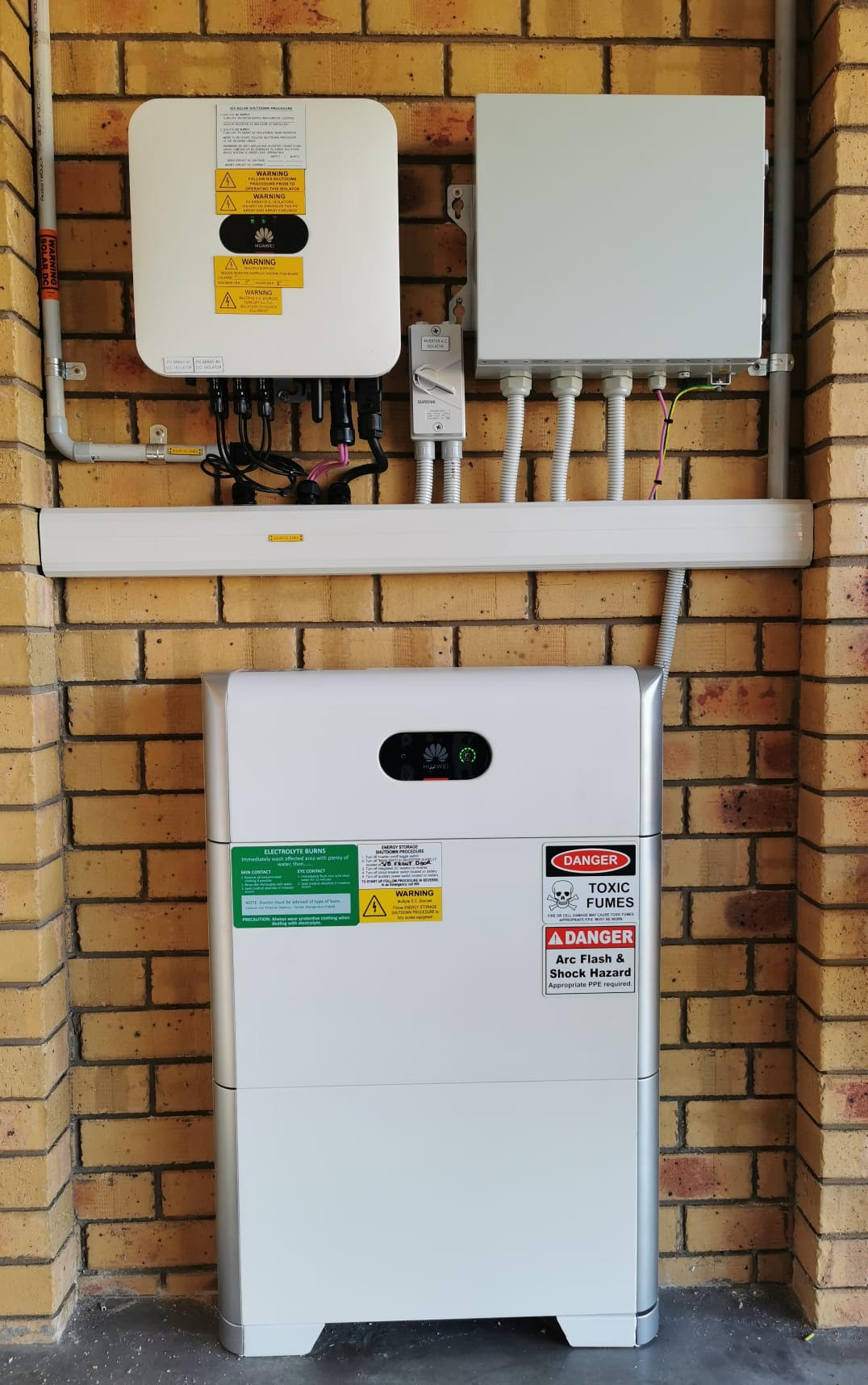
A 13.5kWh battery installed today earns you roughly $5,000 in STC rebates. Wait until the second half of 2028 and that same battery only earns $2,200 — a loss of $2,800. From May 2026, the STC factor drops every 6 months instead of annually, and the rate of decline is steeper. The clock is ticking.
The $7.2 Billion Expansion — Good News With a Deadline
On 13 December 2025, the federal government announced a massive expansion of the Cheaper Home Batteries Program — from the original $2.3 billion to a staggering $7.2 billion. That's an additional $4.9 billion earmarked to help Australian households store their solar energy and reduce reliance on the grid.
But here's what many homeowners are missing: the expansion came bundled with a fundamental change to how rebates are calculated. The STC (Small-scale Technology Certificate) factor — the number that determines your discount — is now set to decline more frequently and at a higher rate than originally planned.
In plain terms: every six months you delay, you lose hundreds — potentially thousands — of dollars in rebates that you'll never get back.
The May 2026 Cliff Edge
From May 2026, three things happen simultaneously: the STC factor drops sharply from 8.4 to 6.8, the decline schedule accelerates to every 6 months, and a new tiered system reduces rebates for batteries larger than 14kWh. If you're considering a battery, the window before May 2026 offers the best value.
How STCs Determine Your Rebate
The federal battery rebate isn't a fixed dollar amount. It's calculated using STCs — Small-scale Technology Certificates. Here's the formula:
Battery Capacity (kWh) x STC Factor = Number of STCs
Number of STCs x Market Price (~$40 each) = Your Rebate
In 2025, the STC factor is 9.3 STCs per kWh. This means for every kilowatt-hour of usable battery capacity, you receive 9.3 certificates. Each certificate trades at approximately $40 on the open market. Your installer claims these on your behalf and deducts the value from your upfront cost — equating to roughly a 30% discount on the battery price.
But that 9.3 factor is already dropping. And from May 2026, the drops become steeper and more frequent.
The STC Factor Countdown: 2025 – 2030
Subject to regulations being made, the proposed STC factor schedule shows a clear and accelerating decline. Here's what you're looking at:
STC Factor Timeline (Proposed)
| Period | STC Factor | Rebate per kWh* | Status |
|---|---|---|---|
| 2025 (Current) | 9.3 | $372 | Current Rate |
| Jan – Apr 2026 | 8.4 | $336 | Upcoming |
| May – Dec 2026 * | 6.8 | $272 | New Rules |
| 2027 H1 (Jan – Jun) | 5.7 | $228 | — |
| 2027 H2 (Jul – Dec) | 5.2 | $208 | — |
| 2028 H1 (Jan – Jun) | 4.6 | $184 | — |
| 2028 H2 (Jul – Dec) | 4.1 | $164 | — |
| 2029 H1 (Jan – Jun) | 3.6 | $144 | — |
| 2029 H2 (Jul – Dec) | 3.1 | $124 | — |
| 2030 H1 (Jan – Jun) | 2.6 | $104 | — |
| 2030 H2 (Jul – Dec) | 2.1 | $84 | — |
Real Dollar Impact: A 13.5kWh Battery Example
Let's make this concrete. A popular 13.5kWh battery system — similar to a Tesla Powerwall 2 or BYD HVS — shows the cost of waiting in stark terms:
Rebate Comparison: 13.5kWh Battery
| When You Install | STC Factor | STCs Earned | Rebate Value | You Lose |
|---|---|---|---|---|
| Now (2025) | 9.3 | ~125 | ~$5,000 | — |
| Jan – Apr 2026 | 8.4 | ~113 | ~$4,536 | -$464 |
| May – Dec 2026 | 6.8 | ~92 | ~$3,672 | -$1,328 |
| 2027 H2 | 5.2 | ~70 | ~$2,808 | -$2,192 |
| 2028 H2 | 4.1 | ~55 | ~$2,200 | -$2,800 |
The New Tiered System: Larger Batteries Hit Hardest
The declining STC factor is only half the story. From May 2026, the government is also introducing a tiered support structure that significantly reduces rebates for larger battery systems. This was designed to stretch the $7.2 billion budget further by discouraging oversized installations — average battery sizes had ballooned to 28kWh, well above the 10–12kWh typical a year ago.
Under the new tiered system, the STC factor is applied at different rates depending on the battery's usable capacity:
Only the first 50 kWh of usable capacity is eligible for STCs under the program, and only one battery system per premises can claim the rebate.
For homeowners with standard-sized batteries (under 14kWh), the tiered system won't change your rebate calculation. But the declining STC factor still applies — and it's declining faster than ever.
Before May 2026 vs. After: What Changes
Before May 2026
- STC factor at 8.4 (Jan–Apr 2026)
- No tiered system — full STC factor on all capacity
- Larger batteries get the same rate per kWh
After May 2026
- STC factor drops to 6.8 (and falling every 6 months)
- Tiered system reduces rebates above 14kWh
- Capacity above 28kWh only receives 15% of STC factor
Why the Government Changed the Rules
The original $2.3 billion budget was being consumed at an alarming rate. The program was on track to exhaust its four-year allocation in just one year, largely because households were installing batteries far larger than anticipated — averaging 28kWh rather than the expected 10–12kWh.
The government's solution was twofold: inject an additional $4.9 billion to nearly triple the budget, while simultaneously redesigning the rebate structure to encourage appropriately-sized systems and maintain a roughly 30% discount as battery prices naturally decline.
"The expanded program aims to see more than two million Australians install a battery by 2030 — double the number initially predicted — delivering 40 gigawatt hours of additional storage capacity to Australia's energy grid."
— Department of Climate Change, Energy, the Environment and Water
How the Rebate Works in Practice
One of the best features of the STC system is its simplicity for homeowners. You don't need to fill out lengthy applications or wait for reimbursement. Your accredited installer claims the STCs on your behalf and deducts the rebate directly from your purchase price.
With each STC currently trading at approximately $40 on the open market, the discount is applied at the point of sale. There's no means test, no income threshold, and the scheme is uncapped — meaning there's no limit on the number of subsidies available.
5 Reasons Not to Wait
The STC factor is falling — fast
From 9.3 in 2025 to 6.8 in May 2026. That's a 27% drop in rebate value in under six months.
Six-monthly declines mean no "safe" waiting period
With drops every 6 months rather than annually, there's no extended window to "wait and see."
Electricity prices aren't falling
Every month without a battery is another month paying peak grid rates when your solar can't help you.
The tiered system penalises larger batteries from May 2026
If you want a system larger than 14kWh, installing before May 2026 avoids the reduced tiers entirely.
Installer demand will surge before the deadline
As May 2026 approaches, expect a rush of installations. Booking early guarantees your spot and your rebate.
The Bottom Line
The Cheaper Home Batteries Program is the most generous battery rebate Australia has ever seen — but it's designed to wind down. Every six-month period that passes takes a bigger bite out of your potential savings. A 13.5kWh battery purchased today saves you approximately $5,000. The same battery in late 2028 saves just $2,200. That's $2,800 you'll never recover. The countdown has begun.
Lock In Your Maximum Rebate Before It Drops
Cosmic Renewable Energy can help you navigate the STC rebate system and get your battery installed while the incentives are at their highest. Get a free, no-obligation quote today and find out exactly how much you could save.